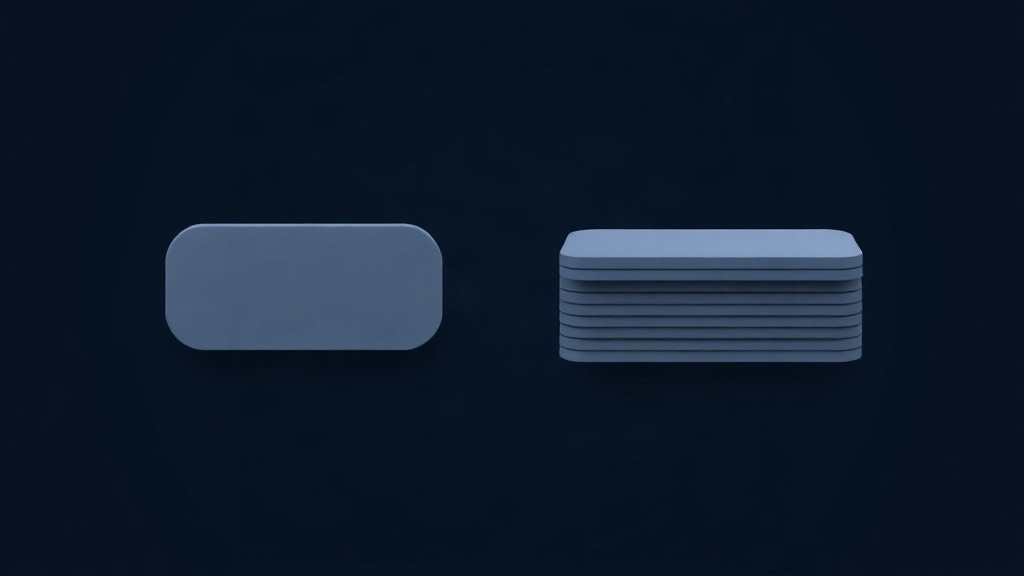
A browser is not a VPN. Closing a tab or erasing a session does not hide your IP address from sites you visited or from your network operator. Tracking protection is list-based and not absolute: known ads, analytics, and social trackers from bundled lists are blocked on the device, but no blocker catches everything. Private Browser Incognito is rated 17+ for unrestricted web access and is intended for adults.
People treat the X on a tab as if the visit never happened. The card is gone. The screen looks quieter. That is not the same job as throwing the session away. In Private Browser Incognito, dismissing a single tab removes that page from the screen. Other tabs can still be open. Cookies those tabs need can still be alive. Cache and site data can still sit with the session. One-tap erase is the control that closes every tab and destroys that working state.
The mix-up is easy because both gestures feel like cleanup. One is tidying a desk. The other is emptying the room. This page keeps those verbs apart so a fast tap does the job you meant. The longer map of the trash action itself is Erase Everything in One Tap. The inventory of stores that survive a browsing wipe is What Erase Does Not Delete.
Two different verbs on a forgetful browser
Every tab in this app is a private session held in memory. There is no browsing history feature and no history file to clear. That design is why closing a tab cannot mean clearing a history list. There was never a list of URLs to prune. Cookies and caches still exist so the page you are using can stay signed in and load without refetching every asset. Those stores are session-scoped. They belong to the visit, not to a diary.
A conventional browser writes records, then offers to delete them. Closing a tab there might still leave a recently closed row or website data in Settings. A forgetful browser never creates the list. Closing a tab is still only a local edit to what is on screen. Erase is the explicit end of the session. You do not choose last hour or all time. You throw the working state away. If the question you typed was never-written versus written-then-deleted, that clock is Incognito vs Deleting History. The question here is narrower: one card versus the whole session.
What closing a tab actually does
Dismissing a page removes that page from the tab strip. Form fields on that page are gone with the card. The other tabs you still have open are not. A login cookie for a site you are using in a second tab can still be sitting in the session jar. A script cache that another tab already fetched can still be there so the next scroll is cheap. Closing one card is how you stop looking at a URL. It is not how you destroy the stores the engine still needs for the tabs that remain.
That remaining session is still private in the architectural sense: no history file, lists on device, no account. It is also still a live browser. If someone picks up the phone and the app is unlocked, they can see what is left. App Lock with a six-digit passcode and Face ID can hide that remaining session. Lock does not delete cookies. Closing a tab does not delete the rest of the session either. Hide the session, or destroy it. Closing a card only drops that URL from the strip.
People also fold in operating-system gestures, hoping memory went with them. We do not document those gestures as erase, and we will not invent what iOS does to a process in the switcher. The control you can rely on is the trash action, or the home-screen quick action that runs the same wipe.
What one-tap erase actually destroys
One-tap erase closes every open tab. It destroys cookies, cache, and site data for the session. The page you were reading is no longer in the app. Session logins, form state, and cached scripts go with it. There is no recycle bin. Erased data cannot be recovered, by you or by us. There is no support email that puts a tab back. If you still needed a URL, copy it before you tap.
That wipe is permanent on purpose. A forgetful browser that could undelete would be a different product. The session lived in memory so it could be thrown away. Cookies and cache are tools for the tab you are in, not a second history file you forgot to clear. The longer explanation of those short-lived stores is Cookies and Cache That Live Only for the Session. Treat them as working state. Erase ends the working state. Closing one tab only ends that card.
Erase does not unsay a request that already left the phone. Sites you visited still saw the traffic. Your network operator still saw destinations. HTTPS-Only Mode, on by default, encrypts the path when the site supports it and asks before falling back to HTTP. Encryption is not a new identity. List-based blocking from bundled Disconnect lists reduces known ads, analytics, and social trackers. It is not 100 percent. Neither closing a tab nor erasing the session is a VPN. Neither hides your IP.
A quick action that does not need the UI
The useful erase is the one you can reach when you are about to hand the phone over. Opening the app to look at the tabs, then hunting for trash, is a preview you may not want. Private Browser Incognito ships a home-screen quick action for erase so you do not have to open the browser first. The result is the same wipe: every tab closed, cookies, cache, and site data destroyed. Speed without a preview is the point.
The quick action is still session destroy. It is not a vault wipe. It is not panic. It is not App Lock. If you only needed the icon to refuse to open, the six-digit lock is enough and does not destroy anything. If you needed the browsing residue gone and the files you saved kept, the quick action and the in-app trash are the matching tools. If you needed the files gone too, that is a different code at the lock screen, and it is paid kit, not the free button.
There are no accounts and no app server for browsing. The App Store privacy label is Data Not Collected. We cannot restore a session we never received. That is the useful half of having nothing on a server. The other half is the callout: erase is local. It does not rewrite someone else’s logs. Closing a tab is even more local. It only changes what this process still shows you.
Auto-Erase is a timer, not the free trash button
Stealth Suite adds an Auto-Erase timer if you want the session to die after you leave the app. That is a policy for forgetfulness, not a louder trash icon. You set a delay. You leave. The session expires without another tap. Auto-Erase is still session destroy: cookies, cache, site data, tabs. It is not a vault wipe. It is not the free button you tap while the phone is in your hand.
A tap is something you can refuse at the last second. A timer is a policy you armed earlier. If you still needed the tab, it is gone either way. Erased data cannot be recovered. The shipping intervals live in Auto-Erase When You Leave the App. Closing a tab keeps the rest of the session. The timer throws the rest away after you have gone. Erase remains free. Auto-Erase is part of the optional suite: monthly $4.99, yearly $19.99 with a 7-day trial, or lifetime $49.99. If a subscription lapses, protections you already enabled keep working. The free erase button does not depend on a subscription.
Vault, lock, and what the network still saw
Downloads that went into the encrypted vault are a separate store. Session erase does not empty that store. Closing a tab never touched it either. The vault is AES-256, with no plain copy on disk, excluded from backups. Files you chose to keep are supposed to outlive a browsing wipe. Mixing the two would make erase unusable for anyone who also saves a file. If you expected one tap, or one closed card, to mean the whole app forgets every byte, read the vault note twice.
Panic code is not erase with a louder name. It is a Stealth Suite feature: one code at the lock screen silently wipes tabs, the entire vault, and the break-in log, then opens what looks like a fresh start. Self-destruct is adjacent: after too many wrong codes, saved tabs are destroyed, and optionally the vault with them. Use erase when the browsing session should vanish and the files you saved should remain. Use closing a tab when only one page should leave the strip. Use panic when everything behind the lock, including the vault, should vanish.
A locked browser with leftover tabs is still a leftover session. Rated 17+ still applies: this is a real web browser with unrestricted access. List-based blocking is not absolute. None of that is solved by closing a card or by the trash button. The tap only ends what the app still held.
| Control | Tabs | Cookies, cache, site data |
|---|---|---|
| Close one tab | That card only | Session can still be alive |
| One-tap erase (free) | Every tab closed | Destroyed |
| Home-screen quick action | Same as erase | Destroyed |
| Auto-Erase timer | Destroyed after you leave | Destroyed. Vault left intact |
| App Lock | Hidden, not deleted | Still there until erase |
Closing tabs vs erasing the session is a scope question. One card is not the room. The free trash button is the room. The vault is a different building. The network already saw the visit. Used for the right job, erase is the control a forgetful browser is for. A closed tab leaves more behind than the empty strip suggests.
 Private Browser IncognitoFree on the App Store. No history, on-device blocking, one-tap erase.
Get the app
Private Browser IncognitoFree on the App Store. No history, on-device blocking, one-tap erase.
Get the app
Frequently asked questions
Is closing a tab the same as erase?
No. Dismissing a single tab removes that page from the screen. Other tabs, cookies, cache, and site data can still be alive. One-tap erase closes every tab and destroys the session. Closing a card is tidying. Erase is session destroy.
What does one-tap erase destroy?
It closes every tab and destroys cookies, cache, and site data for the session. There is no history file to clear because Private Browser Incognito never writes one. Erased data cannot be recovered, by you or by us. A home-screen quick action does the same wipe without opening the app first.
Does closing tabs or erasing the session hide my IP?
No. A browser is not a VPN. Closing a tab and erasing the session both leave your IP address visible to sites you visited and to your network operator. Those controls change what remains on the phone. They do not unsay a request that already left the device, and they do not change your public IP.
Does session erase empty the encrypted vault?
No. Session erase does not clear the encrypted download vault. Downloads that went into the vault are a separate store. Files you chose to keep are supposed to outlive a browsing wipe. Panic code, which is part of Stealth Suite, is the control that can wipe tabs, the vault, and the break-in log together.
Is Auto-Erase the same as the free trash button?
No. One-tap erase is free. Auto-Erase is a Stealth Suite timer that runs the same session destroy after you leave the app. The vault stays intact either way. Use the trash button or the home-screen quick action when you can tap. Use Auto-Erase when you want the session to die without another tap.